Boost Efficiency: Finding the Best Dust Removal Filters for Your Needs
Determining the ideal dust collector filters is vital for boosting system efficiency. Diverse considerations dictate this selection, such as dust type, airflow needs, and filter performance. Understanding the differences between bag and cartridge filters can greatly shape operational effectiveness. Routine maintenance also plays an essential part in longevity and capability. As organizations work toward better air quality and cost savings, the subtleties of filter selection become increasingly critical. What criteria should one review next?
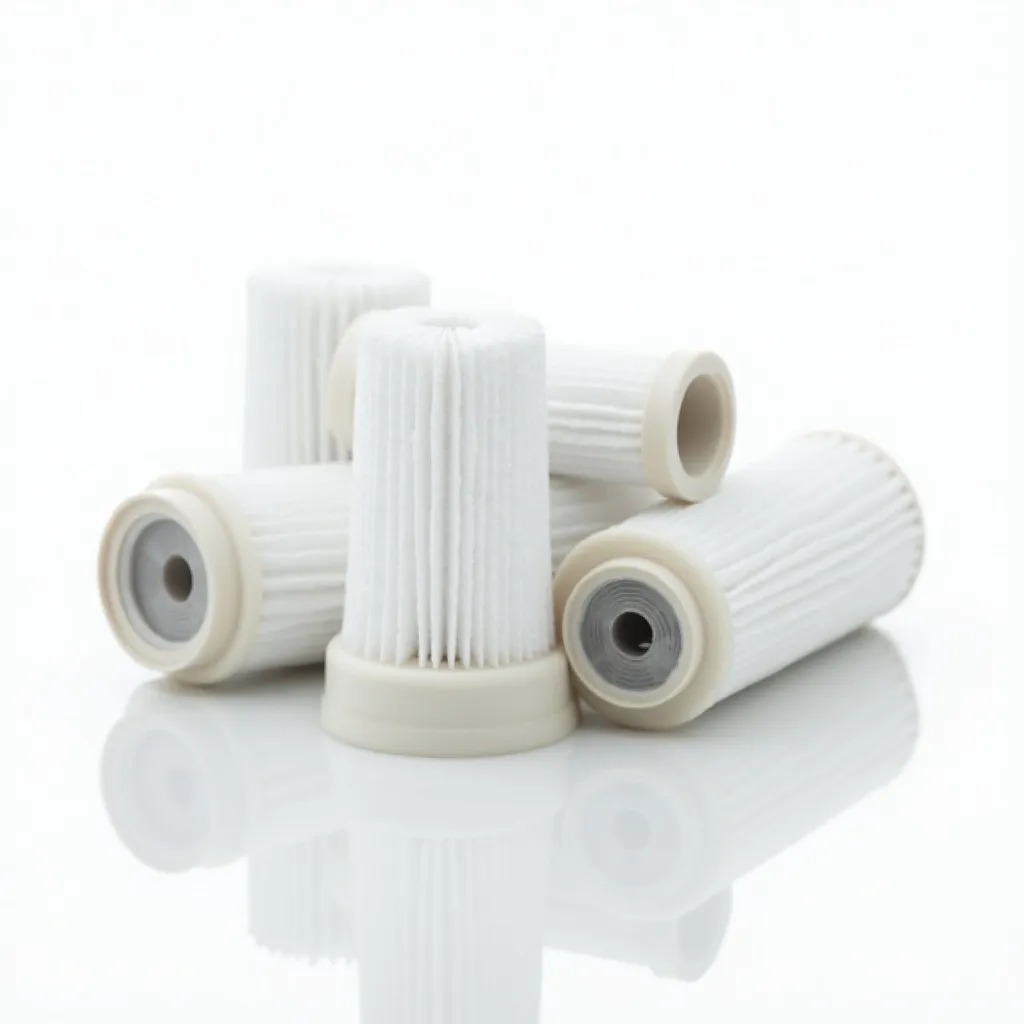
A Guide to Choosing the Ideal Dust Collector Filter
Picking the right dust collector filter can often feel complex. Given a variety of alternatives offered, recognizing the exact necessities of the workspace is critical. Elements including the dust kind produced, the air volume needing filtration, and the desired performance standards are crucial to the decision-making process.
Furthermore, the filter's compatibility with the existing dust collection system is necessary to achieve peak performance. Consideration should be given to the filter's durability and maintenance requirements, as these can impact operational costs.
Performance ratings and certifications can also guide users in selecting filters that meet industry standards.
In the end, grasping the specific application and environmental conditions will bring about a more well-reasoned decision, boosting the efficacy of the dust collection system and securing a healthier and safer work setting.
Bag Filtration Description
Bag filters play an essential role in dust collection systems, efficiently trapping airborne particles and maintaining air quality in various industrial settings.
These strainers are generally constructed of woven or non-woven fabrics that can capture dirt, strands, and other particulates. Common types include needle felt and woven fabric bags, each providing unique filtering effectiveness and functional characteristics.
Bag filters are widely used in applications ranging from woodworking to metalworking, where fine dust control is essential. They can also be designed in different shapes and sizes to accommodate specific systems.
Regular maintenance and replacement intervals are important to guarantee optimal operation, as clogged filters can obstruct air circulation and reduce system efficiency.
Selecting the suitable bag filters correctly is critical to maximizing dust collection efficiency.
Filter Filters Clarified
Cartridge filters serve as another viable option in dust collection systems, complementing the role of bag filters.
These filters are engineered with a cylindrical shape, increasing surface area and enhancing dust capture efficiency. Typically constructed from pleated materials, cartridge filters can capture fine particles, ranging from 0.5 to 5 microns, making them ideal for various industrial applications.
Their small form factor allows for straightforward setup and upkeep, often leading to reduced operating expenses. Additionally, cartridge filters can be cleaned using pulse jet cleaning systems, extending their service life and minimizing disposal.
When picking cartridge filters, things you should evaluate are the type of dust being collected, airflow requirements, and specific industry regulations to ensure peak performance and compliance.
Primary Criteria for Selecting Dust Collector Filter Systems
To guarantee ideal operation and effectiveness, several critical factors must be evaluated when selecting dust collector filters.
To begin, the filtering substance serves an important function; possible choices comprise polyester, polypropylene, and cellulose, each intended for various dust types and applications.
Second, the filter's efficiency measure, often established through MERV (Minimum Efficiency Reporting Value), should harmonize with the unique needs of the workspace.
Moreover, the filter's airflow resistance must be evaluated, as substantial resistance could result in increased energy costs and reduced airflow.
The filter's dimensions and adaptability with current machinery are important, guaranteeing correct setup and optimal functionality.
In conclusion, servicing requirements, including cleaning and replacement frequency, should be assessed to lessen downtime.
How Filter Performance Affects Air Quality?
How can filter efficiency influence air quality? The success rate of dust collector filters is in direct correlation with the particulate matter removed from the air. Superior-performance filters detain smaller particles, including allergens, dust, and harmful pollutants, thereby considerably improving indoor air quality.
When filters function at ideal efficiency, they minimize the recirculation of contaminants, decreasing respiratory issues and other health risks associated with poor air quality.
In industrial settings, the filtration method can control adherence with health and safety regulations, impacting collective occupational wellbeing. Conversely, inadequate filters may cause harmful particles to escape into the environment, exacerbating environmental degradation.
Therefore, selecting the correct filter not only boosts air quality but also promotes a healthier atmosphere for employees and the surrounding community. In the final analysis, investing in high-efficiency filters is vital for maintaining a clean and safe environment, underscoring the importance of filter selection in dust collection systems.
Filter Maintenance Controls Dust Collector Filter Long-term Performance
Filter maintenance plays a significant role in determining the lifespan of dust collector filters. Routine maintenance and checks are vital steps that ensure peak performance and prolong filter life.
Skipping maintenance can bring about significant dust accumulation, which heightens resistance and reduces airflow. This pressure expert advice can result in filters to wear out more rapidly, necessitating premature replacement.
In addition, the type of maintenance work carried out—whether it comprises manual scrubbing or automated systems—can also affect wear resistance.
For example, incorrect cleaning procedures may harm filter media, reducing their performance.
Cost-Effectiveness of Dust Collector Filters
Economic viability is a critical factor in selecting dust collector filters, as it directly impacts operational efficiency and budget management. Businesses must examine both the initial costs and the long-term performance of filters to identify their overall value.
Premium filters might carry a steeper upfront cost yet can provide enhanced filtering capability and greater longevity, minimizing the need for frequent replacements and reducing maintenance expenses.
Moreover, energy consumption should be considered in the cost equation; filters that facilitate smoother airflow can cut down the energy requirements of dust collection systems.
Studying the total cost of ownership, which involves purchase, maintenance, and day-to-day costs, provides a full-scale assessment of financial performance.
Choosing the correct filters not only satisfies regulatory compliance but also improves productivity by reducing downtime and ensuring cleaner work environments, further justifying the investment.
Consequently, corporations should carefully examine their options to synchronize filter decisions with financial targets and operational requirements.
Filter Picking Standards
Choosing the appropriate filters is important for improving a dust collection system's performance. To start, one must analyze the specific types of dust produced in the workspace, as different materials demand different filtration efficiencies.
Considering the filter's micron rating is important; finer particles call for filters with higher ratings. Moreover, evaluating airflow requirements aids in choosing filters that maintain peak system performance without excessive pressure drop.
Compatibility with the dust extraction model is another important factor, ensuring a correct fit and function. Finally, one should factor in the filter's lifespan and convenience of replacement to minimize downtime.
Standard Maintenance Practices
Maintaining a dust collection system is crucial for guaranteeing peak performance and durability. Frequent examination of filters is vital; washing or swapping out them as required prevents airflow obstruction and preserves efficiency.
Furthermore, examining seals and ductwork for leaks can significantly improve system efficiency. It is recommended to arrange routine maintenance checks, preferably each month, to address any possible problems before they escalate.
Operators should also track the pressure gauge to determine filter condition reliably. Preserving the collection unit properly, including the motor and fan components, extends the system's longevity.
Applying these maintenance practices not only boosts dust collection efficiency but also supports a more secure and healthy working environment. Consistent upkeep ensures that the system performs at its highest capacity, minimizing long-term operational costs.
Regularly Posed Queries
How many Intervals Should I Substitute My Dust Collector Filters?
Dust collector filters should generally be replaced every 6-12 months, depending on usage and environmental conditions. Routine inspections and upkeep can assist in identifying the optimal change interval for maintaining performance and efficiency.
Can I wash and recycle Disposable Filters?
Disposable filters should not be cleaned and reused. Trying to clean them can damage their functional capacity, resulting in lowered performance. It is advisable to renew disposable filters regularly to ensure maximum dust collection efficiency.
Which Choices Are Most Appropriate for Dust Collector Filters?
Synthetic fibers, pleated paper, and activated carbon are regarded as the leading materials for dust collector filters. These solutions offer excellent filtration efficiency, durability, and the capacity to remove fine particles, enhancing overall air quality in various environments.
Can you locate green filter options on the market?
Yes, eco-friendly filter options are available, including filters made from recycled materials, decomposable strands, and natural media. These substitutes can effectively reduce environmental impact while maintaining filtration performance in dust collection systems.
How Can I Improve Filter Performance in Dust-Heavy Environments?
To improve filter performance in high-dust conditions, routine maintenance, picking appropriate filter components, optimizing airflow, and putting in pre-filters can substantially enhance efficiency and prolong the lifespan of dust collection systems.